Education
ENVS3039: Biodiversity Conservation
Conserving biodiversity in the face of pressures such as habitat loss, invasive species and climate change is a challenge facing land managers and policy-makers globally. In this course offered at the Australian National University, we explore options for conserving biodiversity. We draw on land managers from different organisations to contribute to the course and prepare students for future employment in this field.
Specifically we investigate:
• Key threats to biodiversity, including habitat modification and loss, unsustainable resource use, invasive species and climate change.
• Management actions that mitigate threats to biodiversity, including selecting nature reserves, connectivity and wildlife corridors, ecosystem restoration and control of pest plants and animals.
• Policies to conserve biodiversity including financial incentives, market-based instruments (e.g. biodiversity offsetting), ecological triage and adaptive management.
SCNC2201: optimism and agency in times of change
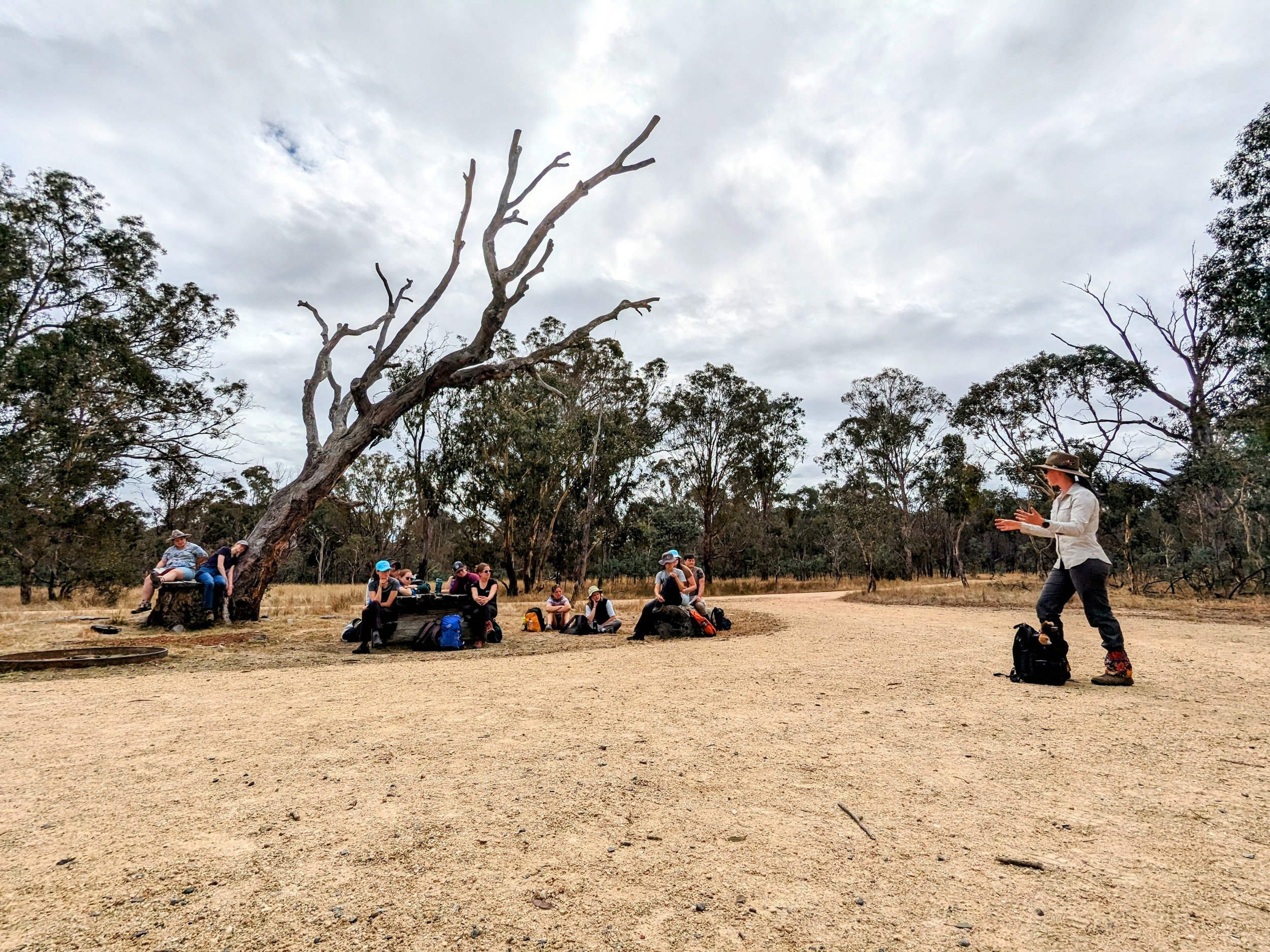
This course at the Australian National University invites students into a workshop environment with guest speakers from inside and outside the university.
Learn about the wide range of ways of contributing to global challenges, find directions that fit with your strengths and interests, and develop a sense of agency and empowerment.
This course focuses on positive engagement with issues and solution-oriented action. You will come away with increased clarity about the directions available to you, and an increased capacity to make a difference.


Wildbark Visitor Centre
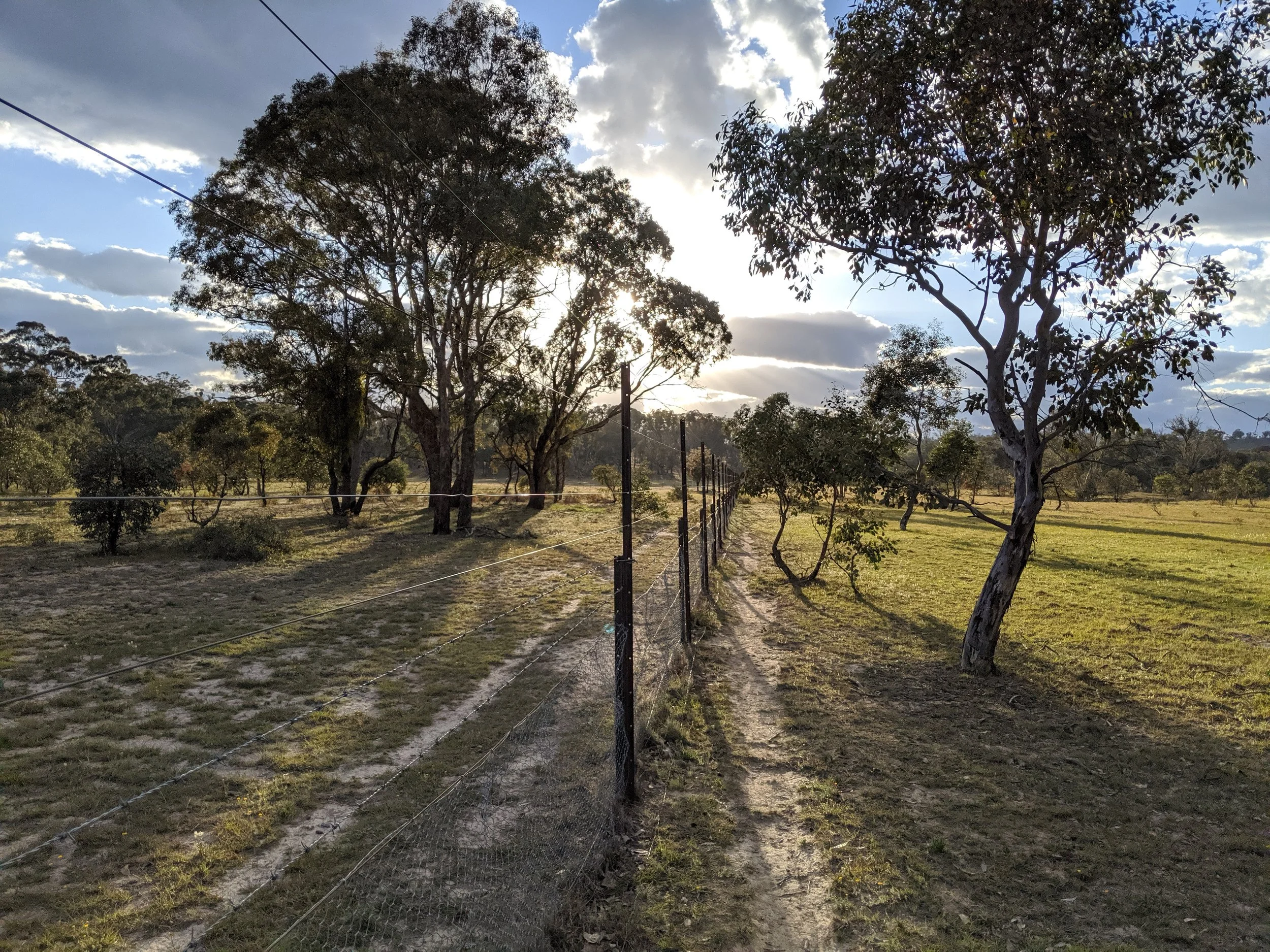
Wildbark Visitor Centre sits at the edge of Mulligans Flat Woodland Sanctuary, Australia’s largest area of box-gum grassy-woodland managed for conservation.
Wildbark acts as a gateway to >1,200 ha of fox-free bushland, giving you the opportunity to spot animals that haven’t existed in the wild on mainland Australia for over a century. Join a Twilight Tour for a guided spotlighting experience in the woodlands, enjoy dinner at the Wildbark Kitchen or meet their resident lizards. Wildbark is a place to bring the community together to experience nature at its finest and discover how we can turn the tide on extinction.
The Coexistence Conservation Lab runs seminars, lectures, and workshops (including for BIOL3178) from Wildbark, and also uses it as a functional hub for fieldwork.